

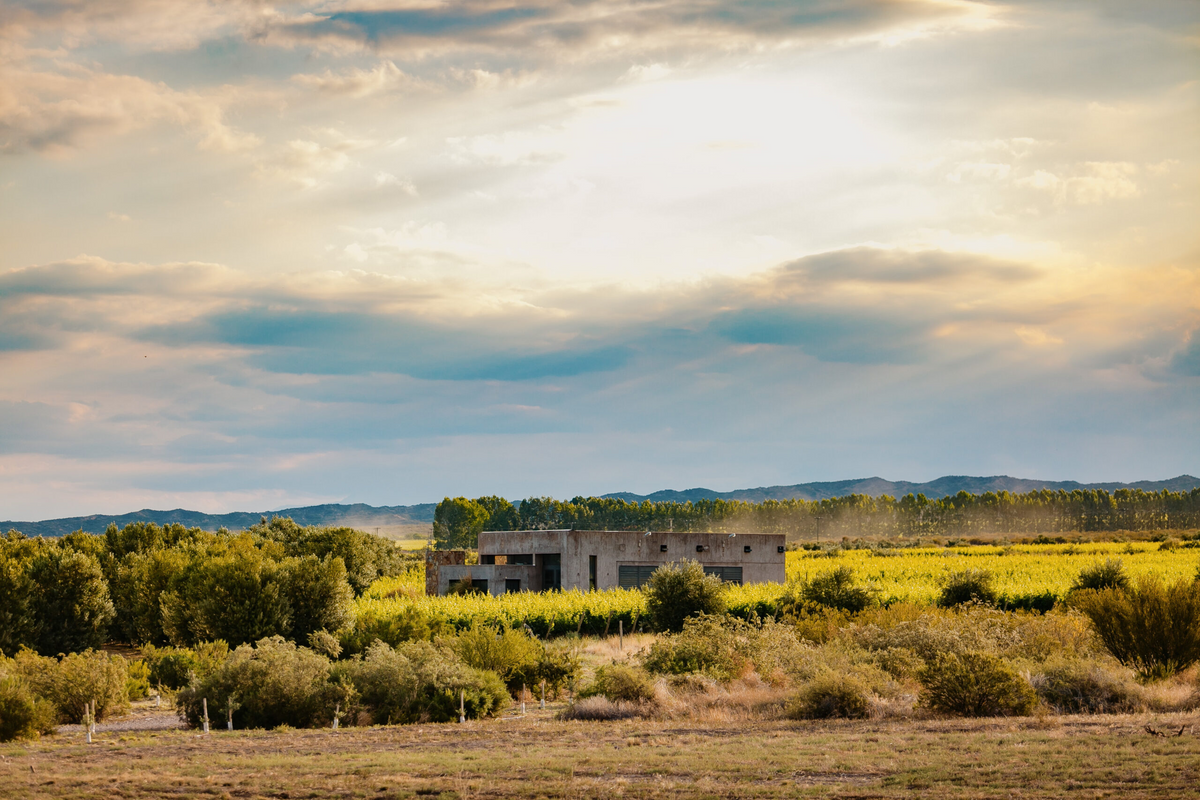
Argentine wine is best known for its Malbec, but the country also makes reds from Cabernet Sauvignon and Petit Verdot, and whites such as Torrontés and Sauvignon Blanc. Here are the key points to find your way, from an estate in Alto Agrelo, in the Mendoza region.
Argentina's main wine regions
Argentina's vineyards stretch along the Andes, from the province of Salta in the north to Patagonia in the south.
- Mendoza: the country's leading wine province. It accounts for 84.8% of Argentina's Malbec plantings. It includes Luján de Cuyo, Maipú and the Uco Valley.
- Salta: in the north, high-altitude vineyards known for Torrontés.
- San Juan: north of Mendoza, a hot, sunny region.
- Patagonia (Neuquén, Río Negro): in the south, vineyards with a cooler climate.
Luján de Cuyo and Alto Agrelo
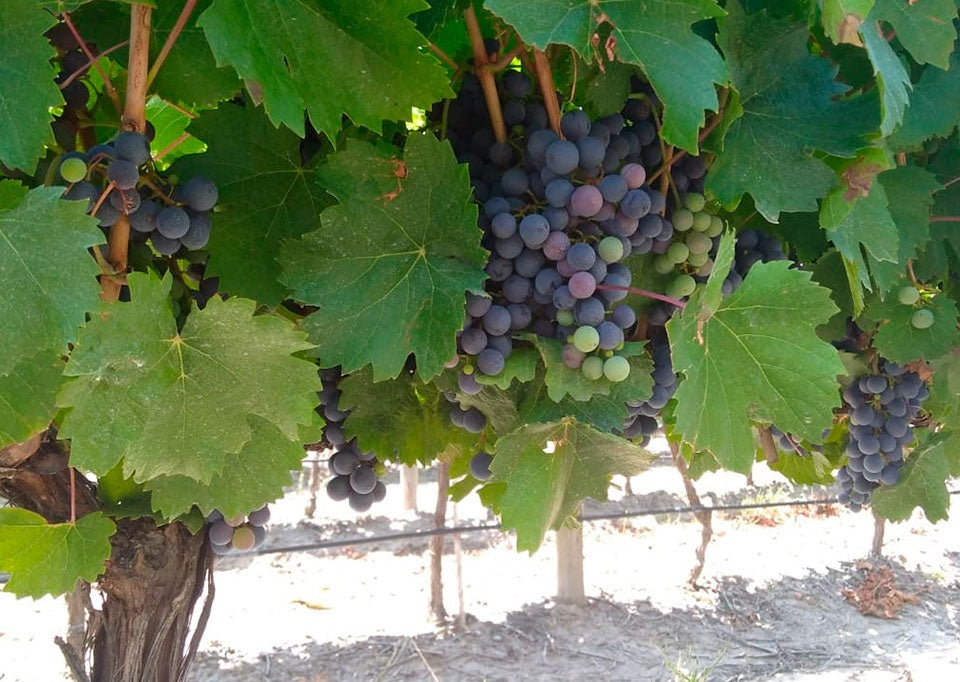
South of the city of Mendoza, Luján de Cuyo is one of the historic areas of Argentine Malbec. In 2025, Alto Agrelo was recognised as a geographical indication (GI): it is the fifth GI in Luján de Cuyo and the highest in altitude. Our estate is located in Alto Agrelo, where our grapes are harvested by hand.
The grape varieties to know
Malbec, the signature grape
Originally from south-west France, where it is also called Côt, Malbec took off in Argentina from the 19th century. On 17 April 1853, at the initiative of Domingo Faustino Sarmiento and with the French agronomist Michel Aimé Pouget, Mendoza launched the creation of a “Quinta Normal de Agricultura” to introduce European grape varieties. That is why, in 2011, the Wines of Argentina association made 17 April World Malbec Day.
Today Malbec covers 46,890 hectares, or 23.9% of Argentina's vineyards, and accounts for 71.9% of the volume of varietal wines the country exports (INV, 2025 data).
Our Malbecs: Invitation de los Andes, Malbec Clasico, Malbec Collection and Malbec Reserva in magnum.
Cabernet Sauvignon
The great Bordeaux grape produces deeply coloured, structured wines in Argentina. We offer it as a Clasico (9 months in stainless steel tanks) and a Collection (14 months, in stainless steel tanks and then French oak barrels).
Petit Verdot
A traditional Bordeaux variety, Petit Verdot is rarely vinified on its own. We offer it as Petit Verdot Clasico (8 months in stainless steel tanks) and Petit Verdot Collection (16 months in French oak barrels), and in the Corte Gran Collection blend.
Whites and rosé
Torrontés is Argentina's signature white grape. Sauvignon Blanc is also grown there: our Sauvignon Blanc 2023 is aged for 6 months in stainless steel tanks. Our Rosado 2025 is a Malbec rosé, made from the first saignée of our vats.
How to choose an Argentine wine
- Look at the ageing. A wine aged in stainless steel tanks highlights the fruit; oak ageing adds structure and better ageing potential.
- Look at the region and altitude. The region on the label (Luján de Cuyo, Uco Valley, Salta…) tells you about the terroir.
- Think about the food. A young Malbec for barbecues and everyday cooking, a barrel-aged wine for meat in sauce and slow-cooked dishes. See our Malbec food pairings.
- Compare several wines. Our Clasico Discovery and Collection Discovery cases bring together three grape varieties, with free delivery in France.
Our ranges at a glance
- Invitation de los Andes: young, fruity Malbec.
- Clasico: Malbec, Cabernet Sauvignon and Petit Verdot aged 8 to 9 months in stainless steel tanks.
- Collection: the same varieties, aged 14 to 16 months including time in French oak barrels.
- Gran Collection: the Corte, a blend aged 24 months in French oak barrels, in a limited edition.
Discover all our wines and our cases.
Sources: Instituto Nacional de Vitivinicultura (INV), end-2025 data published in 2026; The Drinks Business (August 2025) for the Alto Agrelo GI; La Gaceta (Argentina) for the origin of Malbec Day.
Alcohol abuse is dangerous for your health. Please drink responsibly.

Leave a comment
This site is protected by hCaptcha and the hCaptcha Privacy Policy and Terms of Service apply.